



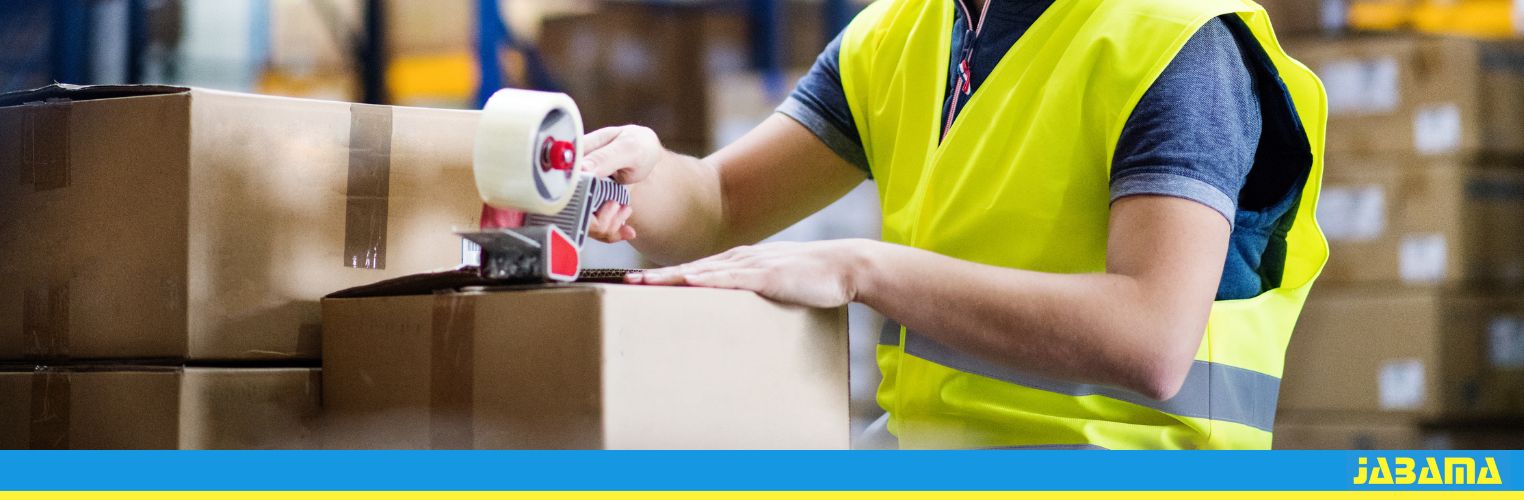
Optimising order packing activities in logistics is a clear sign of a strategic approach to increasing warehouse operational efficiency. It leads to better parcel safety, higher profitability and faster order fulfilment. This area involves a comprehensive analysis of every activity that makes up the packing process, the packaging materials used, and the equipment and tools applied, so they can be aligned with business goals and market trends. In today’s highly competitive market, continuously improving your system is a necessity rather than a nice-to-have. How can you do it the right way? Let’s look at how smart, well‑planned changes can transform your shipping operations and increase your profits (or deliver substantial savings).
Start by analysing your current warehouse workflow
Before implementing any changes, it is crucial to evaluate the existing workflow in your shipping warehouse. This analysis should cover key areas such as:
-
level of product protection
-
efficiency and ergonomics of packing stations
-
integration of the packing line with internal logistics (intralogistics)
-
customer experience related to communication, shipping and unpacking the parcel
By carefully examining these aspects, you can identify areas that need improvement and develop a comprehensive strategy for enhancing the performance of your shipping centre, tailored to your own specific needs. Once you have data about your current situation, it becomes much easier to implement changes, because you eliminate the risk of operating in the dark.
Improved work organisation at the packing line
Streamlining work organisation is crucial for improving warehouse processes. You should focus on areas such as:
-
Minimising employee fatigue by using ergonomic and functional workstations and equipment, and by automating repetitive tasks.
-
Increasing overall reliability by simplifying processes and locating bottlenecks, in line with lean production principles.
-
Boosting productivity and efficiency in order preparation by gathering feedback from employees, introducing best practices and policies, and running regular training.
-
Reducing packaging costs through better labour efficiency and more economical use of materials.
Performance on the packing line can be improved by assessing and optimising factors such as available workspace, downtime, throughput and the level of training among warehouse staff. Greater knowledge and experience among people involved in the workflow is a valuable asset that can help you save on external consulting costs. Improving the performance of the packing line can lead to higher productivity, easier quality control, greater safety and higher customer satisfaction. Sometimes even small changes can significantly improve warehouse performance. In the order picking and packing process, every second and every movement matters – it is worth making sure they are used well, while maintaining full comfort and job satisfaction for your employees.
By addressing these areas, you can build an optimal and cost‑effective work organisation for handling shipments and preparing items for dispatch.
Deploy efficient packing tables, picking trolleys and other equipment
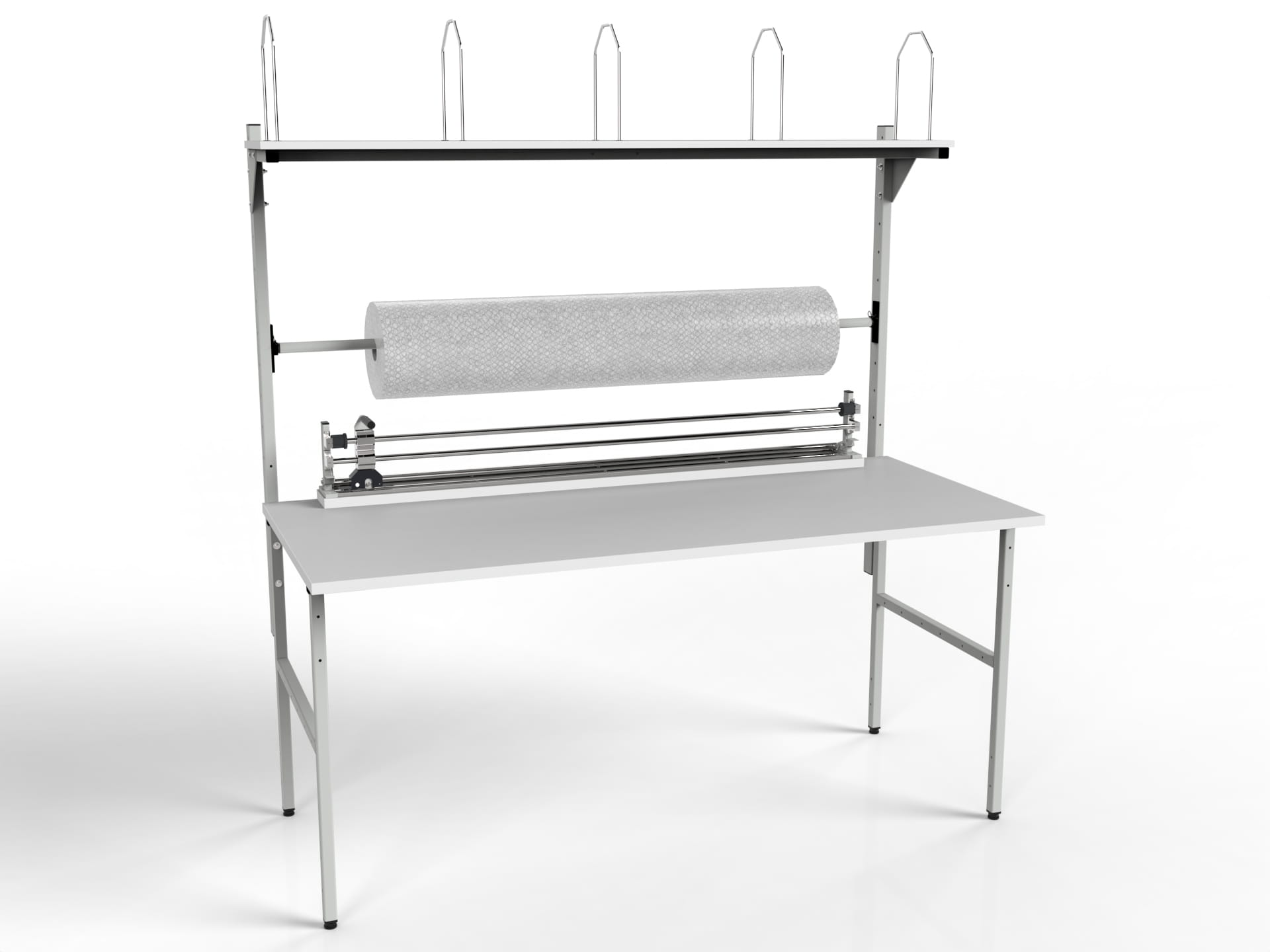
At the heart of an optimised packing process are well‑designed packing stations. It is important to use best‑in‑class solutions designed specifically for these tasks and equipped with specialist accessories (dividers for cartons, shelves for scanners and printers, rollers for film and paper, holders for bottles, cutters, tape and label dispensers). When upgrading your packing stations, take the following factors into account:
-
Determining the most efficient layout of packing tables in the warehouse to reduce distances, for example between racking and the packing line, or between picking tables and conveyor belts, to optimise warehouse space.
-
Selecting suitable warehouse and picking trolleys integrated with the packing tables.
-
Adapting warehouse tables to store modern packaging materials such as stretch film, air‑cushion film, bubble wrap and eco‑friendly paper void fill.
-
Integrating cutting and dispensing devices that speed up packaging tasks.
-
Increasing the number of packing stations on the line to boost throughput, where organisationally possible.
-
Using tables integrated with belt or roller conveyors (e.g. roller add‑ons for rotating boxes and cartons connected to conveyors, worktop sections with ball transfer units).
-
Using robust warehouse tables better suited to intensive work, offering higher reliability, low vibration and comfortable working conditions.
-
Ergonomics – a critical factor when choosing accessories, dimensions and the type of workstation adjustment.
These changes can significantly increase productivity and reduce worker fatigue.
Designing custom packaging solutions – choose the right box size and adapt your warehouse tables
A “one size fits all” approach rarely works in the shipping and e‑commerce industry. That’s why close collaboration between specialists and customers is key to developing tailored solutions for cartons and protective packaging. This process typically includes:
-
Defining specific product requirements, including the required level of protection.
-
Applying recommendations developed after analysing customer feedback.
-
Creating 3D renderings and technical drawings of packaging and the products they will contain.
-
Ensuring seamless integration of new packaging types with existing processes.
-
Adjusting the configuration of warehouse tables to store and handle the improved packaging solutions.
A tailored approach helps address unique challenges and maximise efficiency in material selection. In this way you minimise the problem of oversized, half‑empty parcels and reduce material consumption, while still providing the best possible protection for shipped products. Customer interviews allow you to factor in potential exposure to damage during transit, ease of unpacking and aesthetic preferences of end users.
Packaging must also be stored correctly, in dedicated sections of packing tables. Use solutions supplied by manufacturers who offer advanced workstations designed for warehouse processes and who can equip them with suitable accessories (bins, carton dividers, dispensers) and personalise them in depth for maximum fit.
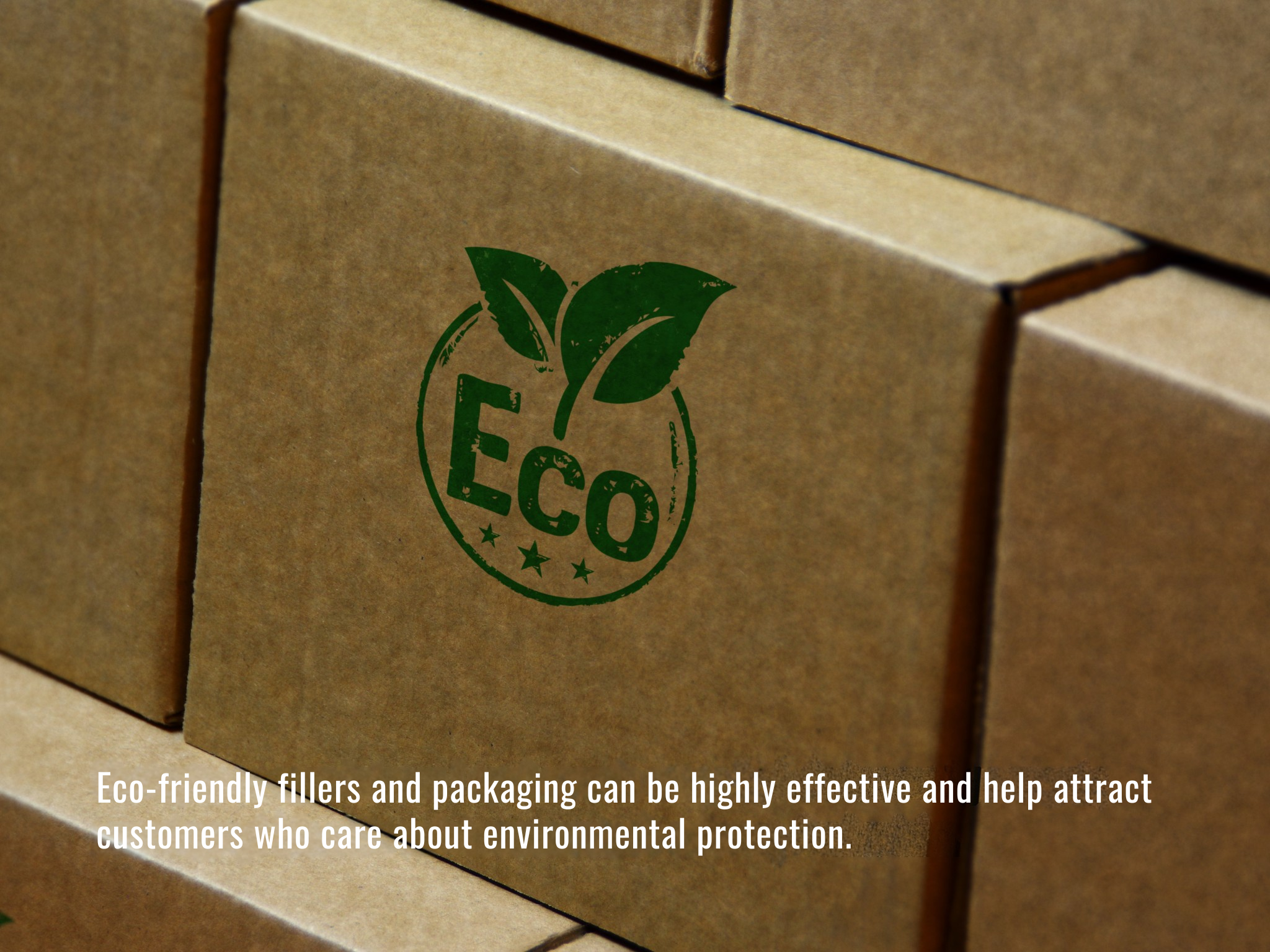
When redesigning your packaging, remember to use environmentally friendly materials. Choose sustainable options such as biodegradable, compostable or recycled materials. They can reduce environmental impact, potentially lower shipping costs and enhance your brand image.
If possible, leverage a global shipping network
In today’s interconnected world, a global logistics network can deliver significant benefits:
-
Packaging inventory replenished in a just‑in‑time model.
-
Access to manufacturing facilities around the world.
-
Transport modes suited to global distribution.
-
Expert support during implementation and go‑live.
Such a comprehensive approach ensures that packaging solutions are always available where they are needed. Operating at scale helps you gain an advantage, so it pays to think big and plan ahead, leveraging the organisation’s broader structure and capitalising on well‑defined competitive strengths.
Using technology – AI‑based tools and automation.
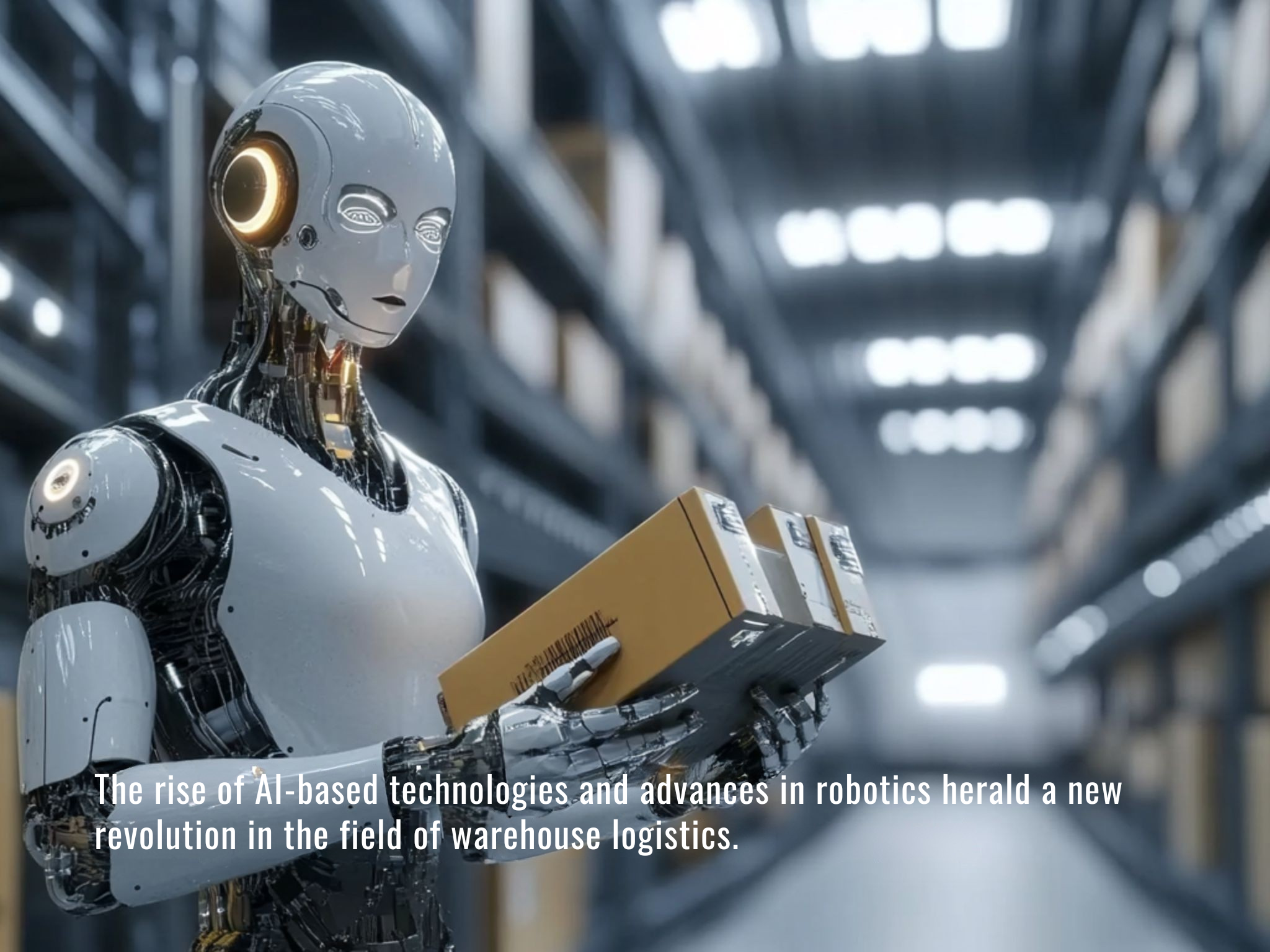
We live in an era of rapidly evolving AI‑based tools. Don’t miss this technological revolution – make use of the benefits it offers. It is worth using a range of AI‑powered tools to create customised packaging designs before you move into production. These technologies can suggest designs that provide maximum protection while minimising material usage and reducing waste. In a similar way, AI can help increase shipping accuracy, improve process efficiency in the shipping centre and support more efficient stock management – all of these and other functions can deliver significant benefits. The possibilities are enormous. Thanks to advances in modern technology and available computing power, you can also automate some stages of packing (e.g. sorting, internal transport, labelling and palletising). Repetitive tasks are easier for a robot to perform, and at the same time you eliminate the risk of human error.
Collect, analyse and use data to drive improvements
Make use of solutions designed to collect large volumes of data from your shipping centre, process them and generate reports and analyses that will help you streamline operations. Based on data analysis, you can, for example, improve labelling and tracking systems and deploy robust software and personalised smart shipping labels to enhance parcel traceability. This can positively affect warehousing, production, transport and shipping processes while reducing costs associated with claims and returns. Wherever possible, it is worth using the AI‑based tools mentioned above to support data analysis.Benefits of improving packing processes across the supply chain
-
Increased efficiency: faster parcel dispatch through identification of bottlenecks and weak points in the process.
-
Properly and effectively protected products: well‑designed packaging makes it easier for products to reach the customer safely.
-
Flexibility: greater ability to adapt to changing market requirements and to implement changes quickly. This also applies to packing stations, which should be modular and adjustable depending on current needs.
-
Cost effectiveness: reduced waste, appropriately sized packaging and the impact of richer data and AI on finding savings and lowering costs.
-
Knowledge: by collecting and processing large amounts of information about each stage of your operations, it becomes easy to run ongoing analyses and take informed decisions about how warehouse processes should run.
-
Sustainability: less waste, environmentally friendly materials and responsible practices.
-
Compliance: all processes should comply with applicable legal requirements as well as current industry standards and trends.
-
Resilience and reliability: processes in the distribution centre become more robust and resistant to adverse external factors.
-
Higher employee satisfaction: simplifying and improving packing processes by using solutions that increase working comfort (for example ergonomic workstations) boosts employee satisfaction.
Taken together, these factors enable a company to gain a competitive edge in today’s dynamic market. By implementing changes in line with these guidelines, businesses can achieve higher efficiency and profits, greater employee satisfaction, more reliable operations, long‑term savings and improved customer satisfaction. This holistic approach to optimising shipping centres positions companies as leaders in responsible, future‑oriented logistics practices.
FAQ
-
How long does it take to implement changes that improve the entire packing process?
The implementation timeline may vary depending on process complexity and the scope of changes needed, which are defined after an audit. However, most companies can expect to see improvements within a few weeks to a few months.
-
Will optimising my shipping processes disrupt current operations?
Although some temporary adjustments may be necessary, a well‑planned and carefully executed project should minimise disruption. Many changes can be introduced gradually to ensure a smooth transition.
-
How can I measure the success of the optimisation?
Key performance indicators (KPIs) such as packing speed, damage rates, employee productivity and customer satisfaction can help you track the success of your changes. There is no single formula for success – every organisation has to develop its own input‑side metrics that effectively measure its performance.
-
Is a modern order packing process more environmentally friendly?
Yes. Many optimisation techniques reduce material waste and improve resource efficiency, making them more environmentally friendly. When designing new processes, you should still take your sustainability goals into account.
-
Can small businesses also benefit from improving packing processes?
Absolutely. While the scale may differ, companies of all sizes can benefit from increased efficiency, lower costs and better product protection delivered by a restructured packing process. In smaller businesses, it is often easier to implement changes, and these improvements can strengthen competitiveness and help close the gap to larger rivals.
